

Do You Need a Dental Filling? Here Is What to Know

Source: Dr. Marketing
Most people hear the word “filling” and immediately think of cavities. While that is often true, dental fillings serve a broader purpose in restorative dentistry. They repair damage, protect weakened teeth, and prevent minor concerns from becoming larger structural problems.
Understanding what a dental filling actually does and when it becomes necessary helps patients seek treatment early instead of waiting for discomfort to worsen. At New Leaf Dental Care in Vancouver, we emphasize early diagnosis because small restorations are always easier and more conservative than advanced procedures.
What Is a Dental Filling?

A dental filling is a restorative material used to rebuild a portion of a tooth that has been damaged by decay, wear, or minor fractures. When bacteria produce acids that erode enamel, a cavity forms. The damaged portion is carefully removed, and the space is filled with a durable material to restore strength and function.
Modern fillings are designed to blend naturally with surrounding tooth structure. Composite resin fillings, for example, are tooth colored and shaped to match the natural contours of your smile. The goal is not only to stop decay but also to preserve appearance and bite balance.
Why Do Teeth Need Fillings?
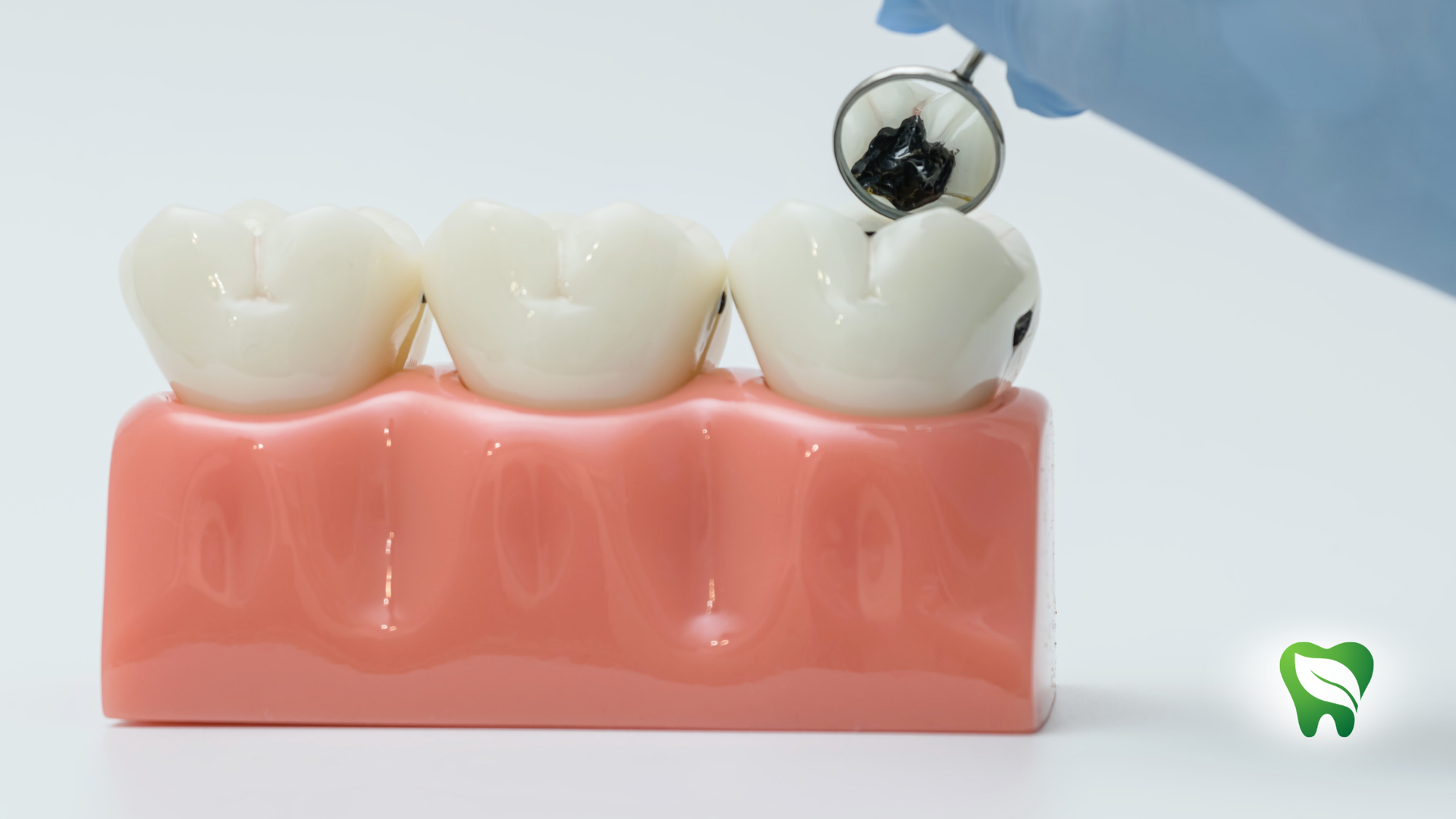
Teeth are constantly exposed to bacteria, acids, temperature changes, and chewing forces. Over time, this can lead to structural breakdown. The most common reason for a filling is dental decay, but it is not the only one.
Fillings may also be recommended when:
- A tooth has a small crack or chip
- Old fillings have worn down or leaked
- Enamel has eroded due to grinding or acid exposure
- A minor cavity is detected during a routine exam
When caught early, treatment is straightforward. At New Leaf Dental Care in Vancouver, routine examinations allow us to identify early decay before it progresses deeper into the tooth.
Signs You May Need a Dental Filling

Some cavities develop silently, without obvious discomfort. That is why regular dental visits are essential. However, certain symptoms may signal that a filling is needed:
- Tooth sensitivity to cold, heat, or sweets
- Pain when biting or chewing
- Visible dark spots or holes in a tooth
- Food frequently getting trapped in the same area
- Rough or chipped edges you can feel with your tongue
If you notice any of these signs, scheduling an evaluation at New Leaf Dental Care in Vancouver can help determine whether a simple filling can resolve the issue before it worsens.
What Happens If a Cavity Is Not Treated?
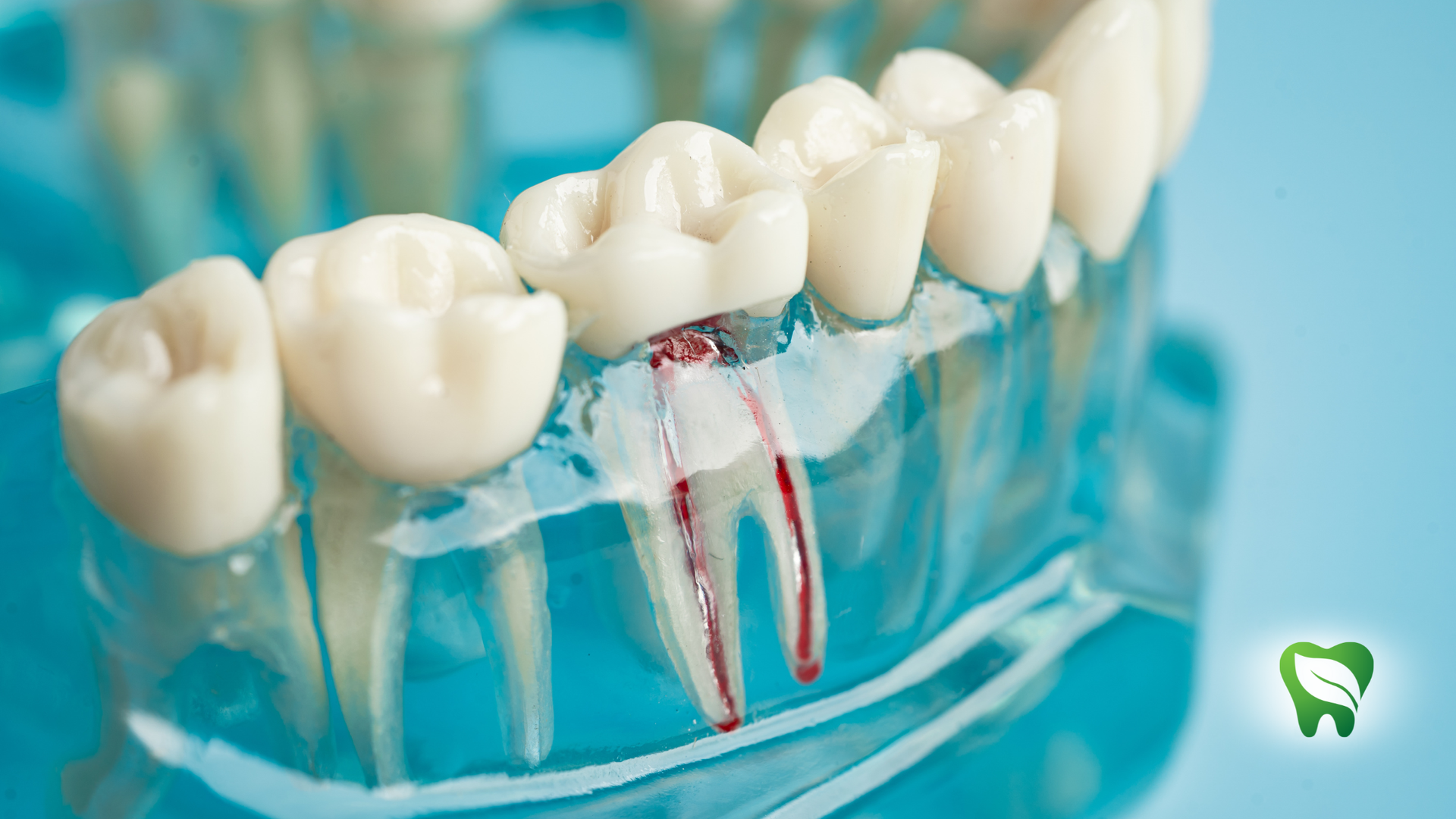
Ignoring a small cavity does not make it disappear. Decay gradually progresses through enamel into dentin and eventually toward the inner pulp. Once bacteria reach the pulp, more extensive treatment such as root canal therapy may be required.
The earlier a filling is placed, the more natural tooth structure can be preserved. Early intervention reduces discomfort, shortens appointment time, and lowers the risk of future complications.
Types of Dental Fillings
Modern dentistry offers several filling materials, each chosen based on location, strength requirements, and aesthetic goals.
Composite resin fillings are the most common today. They bond directly to tooth structure, provide a natural appearance, and require minimal removal of healthy enamel. Amalgam fillings, which are silver in color, are durable and have been used for many years, though they are less commonly placed in visible areas.
In some cases, ceramic or porcelain restorations may be recommended for larger areas of damage.
During your consultation, we evaluate the size of the cavity, the location in your mouth, and your long term goals before recommending the most appropriate option.
The Dental Filling Procedure

Many patients are surprised at how simple the process is.
First, the area is numbed to ensure comfort. The decayed portion of the tooth is gently removed. The space is then cleaned and prepared for bonding. The filling material is placed in layers, shaped carefully, and hardened using a curing light. Finally, it is polished to restore a smooth, natural surface.
The entire procedure is typically completed in one visit. Most patients return to normal activities immediately afterward.
If you are experiencing discomfort or have been told you may need a filling, booking an appointment at New Leaf Dental Care in Vancouver allows us to evaluate the tooth before further damage occurs.
Do Fillings Last Forever?
Dental fillings are durable, but they are not permanent. Their lifespan depends on the material used, oral hygiene habits, bite forces, and routine dental care.
With proper brushing, flossing, and regular checkups, composite fillings can last many years. During routine exams, we monitor existing restorations to ensure they remain sealed and stable.
If a filling becomes worn or develops small gaps, replacing it early prevents bacteria from reentering the tooth.
Protecting Your Teeth After a Filling

After treatment, maintaining oral hygiene becomes the most important factor in preventing future decay. Brushing twice daily with fluoride toothpaste, flossing regularly, and limiting frequent sugary snacks reduce the risk of new cavities forming around restored teeth.
Routine professional cleanings also help remove plaque buildup that can compromise both natural enamel and fillings.
Final Thoughts
Dental fillings are one of the most common and conservative treatments in dentistry. They restore strength, stop decay, and protect the long term health of your teeth. When cavities are treated early, the procedure is straightforward and preserves as much natural structure as possible.
If you suspect a cavity or have been advised that a filling may be needed, scheduling an evaluation at New Leaf Dental Care in Vancouver ensures timely treatment and helps prevent more extensive procedures in the future. Early care protects not only your teeth, but your overall oral health.
Share
Recent Posts